ForexShared Market Intelligence
Evidence-based diagnostics, structured execution, and institutional risk tools.
Recently Published Blogs
Stay informed with ForexShared's research desk. We publish practical, evidence-based guidance on market structure, execution, and risk management that you can apply directly to your trading terminal.
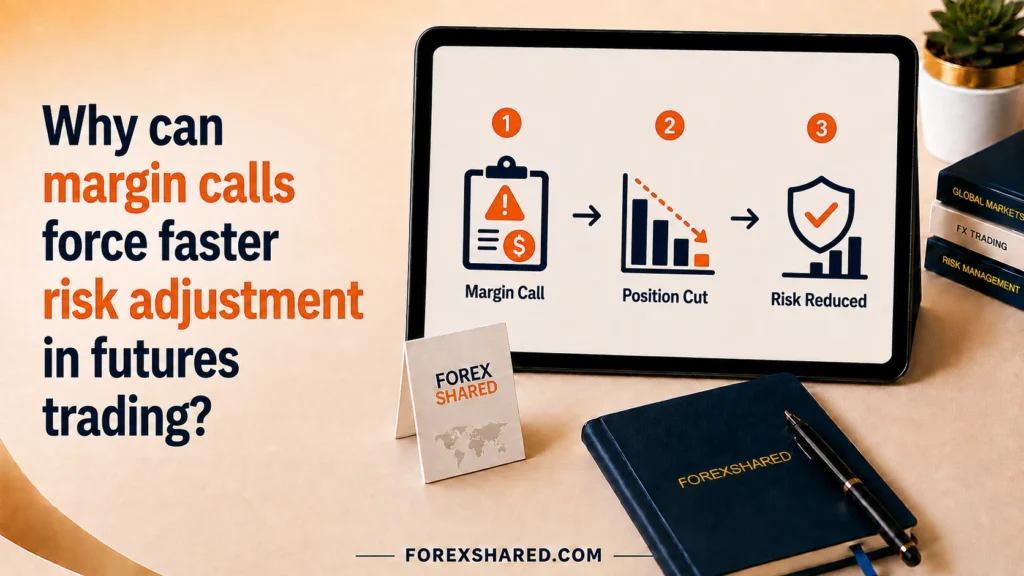
Why Can Margin Calls Force Faster Risk Adjustment in Futures Trading? Margin calls force faster risk adjustment because futures positions are marked to market and account equity must stay above maintenance requirements, so losses can require funding, exposure reduction, or
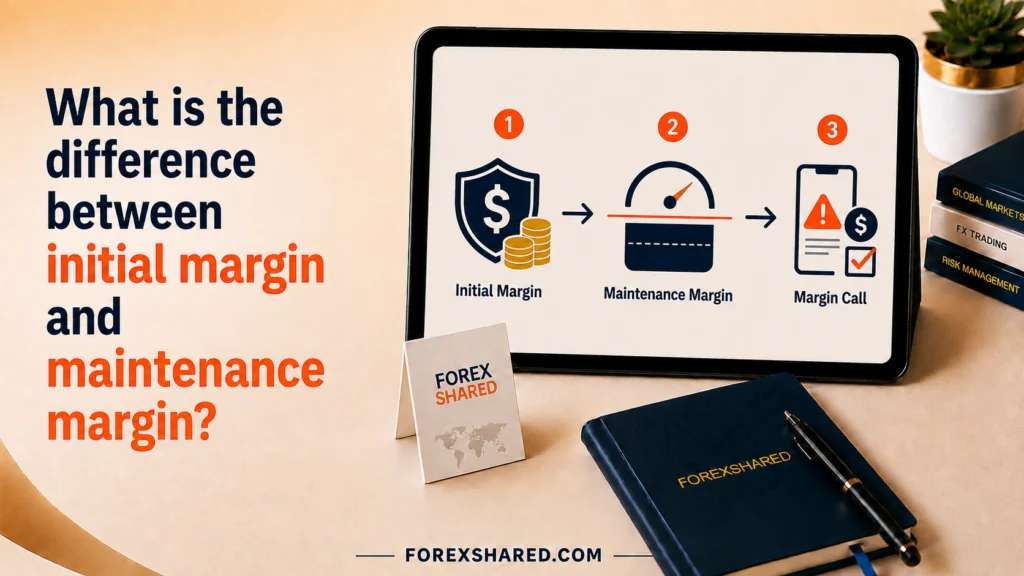
What Is the Difference Between Initial Margin and Maintenance Margin? Initial margin is the amount required to establish a futures position, while maintenance margin is the minimum account-equity level that must be maintained after the position is open. The two

How Do Margin Requirements Shape Futures Participation? Margin requirements shape futures participation because a participant must provide sufficient resources to establish a futures position and continue maintaining enough account equity as market values change. Entry funding is only one part
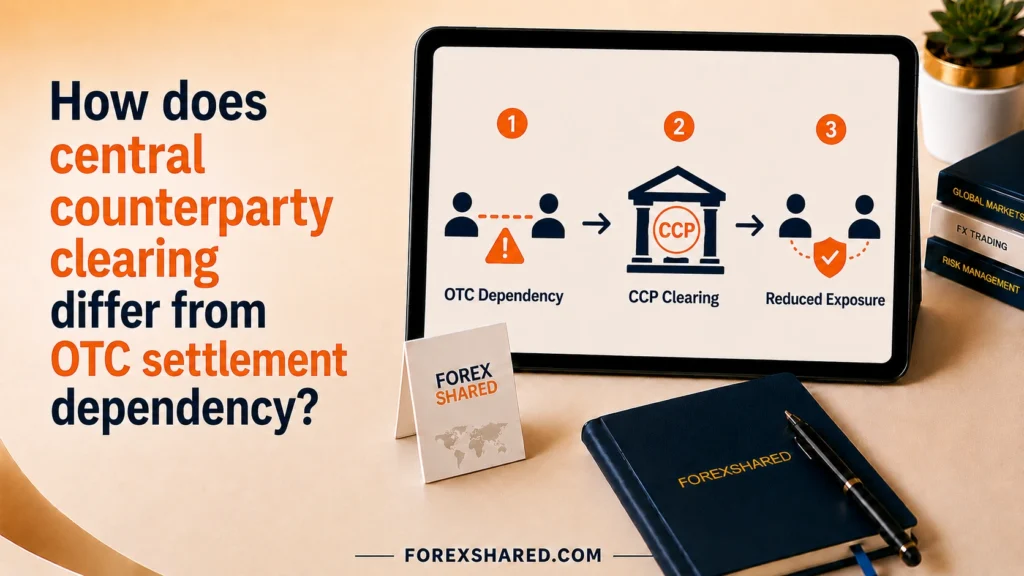
How Does Central Counterparty Clearing Differ From OTC Settlement Dependency? Central counterparty clearing and OTC settlement dependency address different risk layers. Central clearing changes who stands behind cleared contractual obligations, while settlement dependency concerns whether final currency or cash payments

Why Does the Clearinghouse Replace Bilateral Credit Exposure? The clearinghouse replaces bilateral credit exposure because central clearing interposes a central counterparty between the original buyer and seller, converting their direct credit relationship into standardized, collateralized clearing obligations. In forex futures,
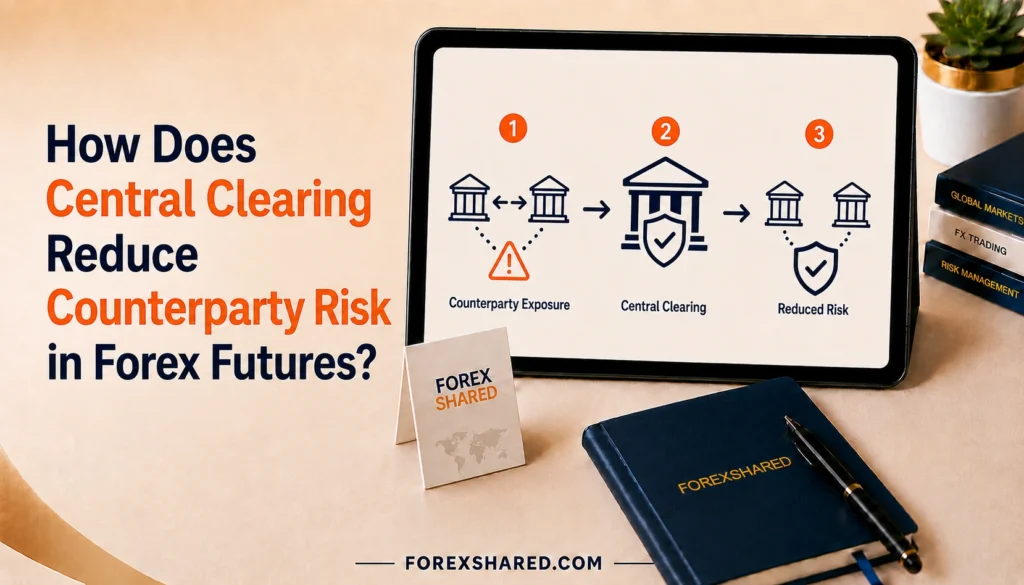
How Does Central Clearing Reduce Counterparty Risk in Forex Futures? Central clearing reduces counterparty risk in forex futures by placing a central counterparty between buyers and sellers, replacing direct bilateral credit dependence with margin-backed, frequently settled, centrally managed performance obligations.