ForexShared Market Intelligence
Evidence-based diagnostics, structured execution, and institutional risk tools.
Recently Published Blogs
Stay informed with ForexShared's research desk. We publish practical, evidence-based guidance on market structure, execution, and risk management that you can apply directly to your trading terminal.
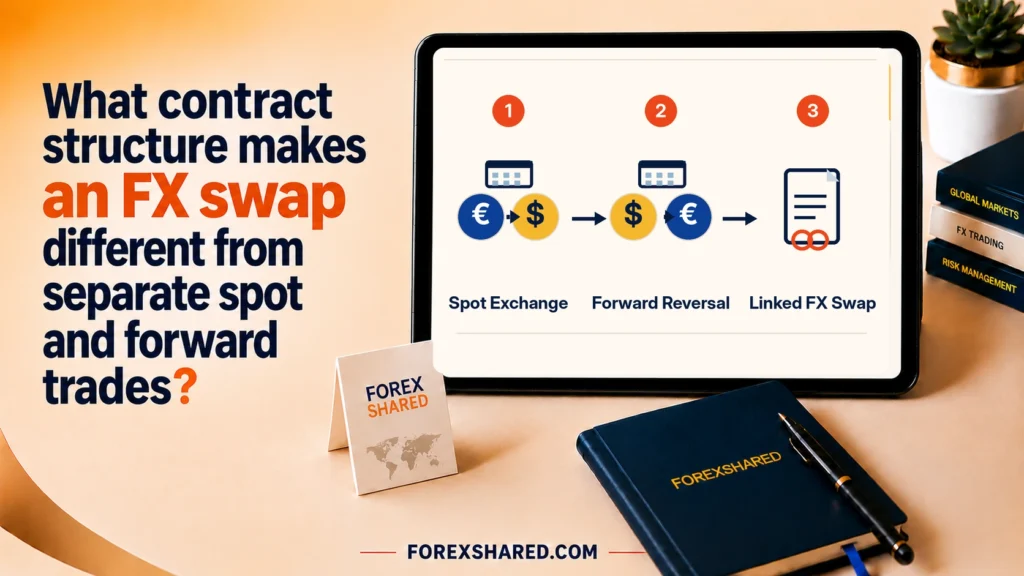
What contract structure makes an FX swap different from separate spot and forward trades? An FX swap differs because its initial currency exchange and later reverse exchange are linked when the transaction is entered. The near leg and far leg
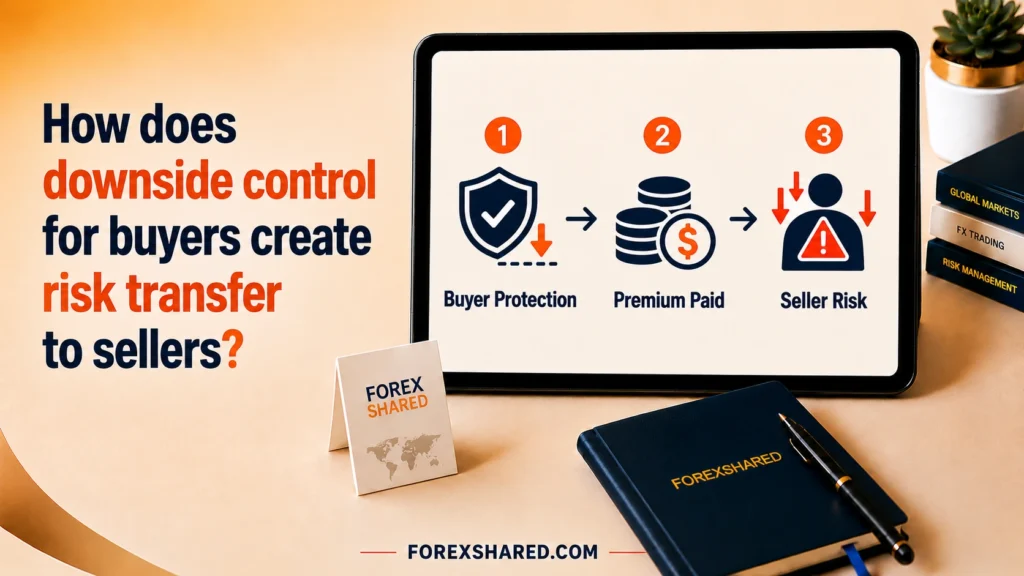
How does downside control for buyers create risk transfer to sellers? The buyer pays premium for a contractual right while the writer receives premium for accepting the economically opposite obligation. That structure can cap the conventional fully paid buyer’s standalone

Why is the writer's payoff more asymmetric than the buyer's? The writer's payoff is not mathematically more asymmetric than the buyer's; their contract P&Ls are mirror images. What differs is direction: the buyer's downside is premium-limited, while the writer's capped
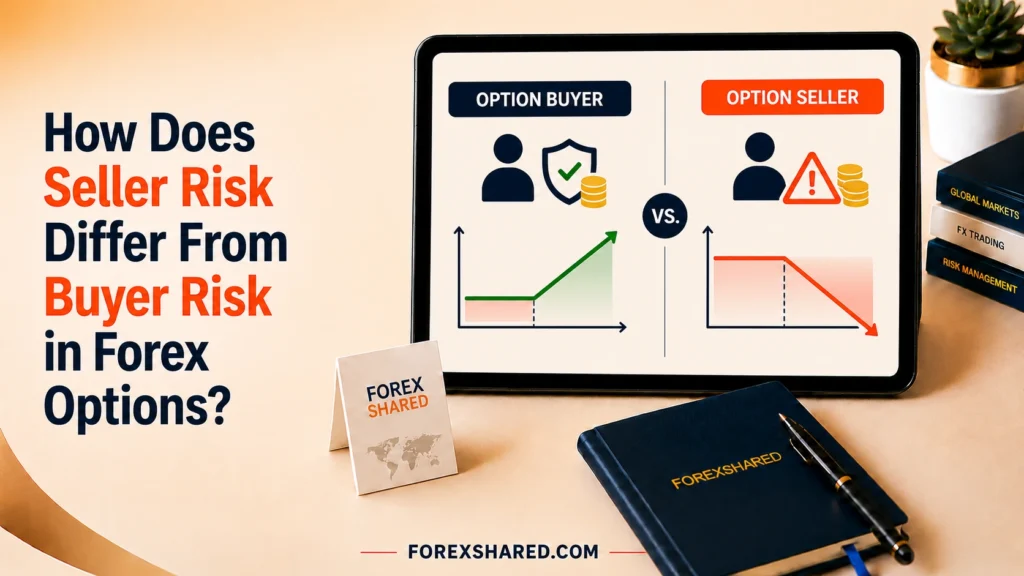
How Does Seller Risk Differ From Buyer Risk in Forex Options? Seller risk differs from buyer risk because the buyer pays a premium for a contractual right, while the seller receives that premium in exchange for accepting a contingent obligation
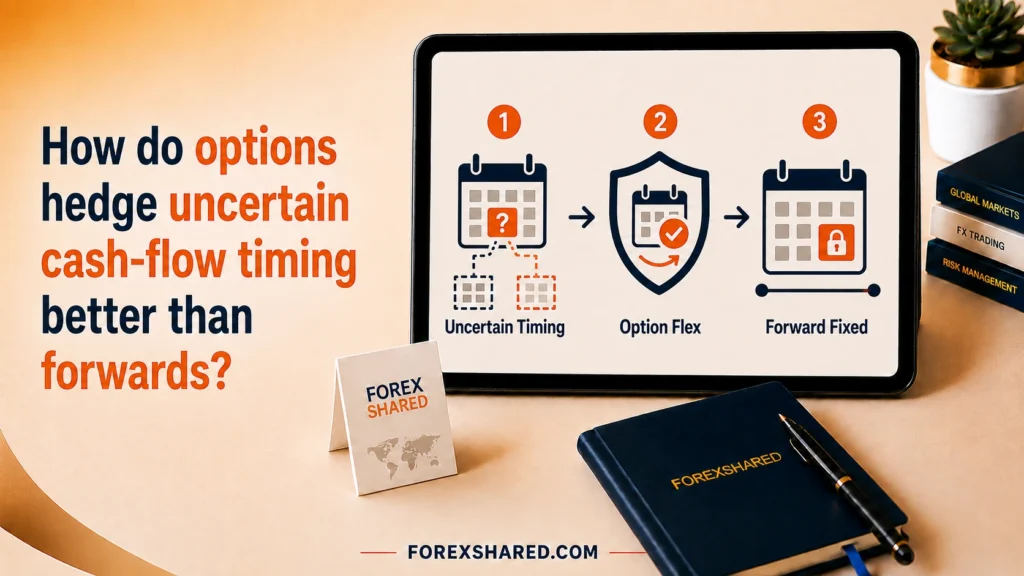
How Do Options Hedge Uncertain Cash-Flow Timing Better Than Forwards? Options hedge uncertain cash-flow timing more flexibly than standard forwards because the option buyer acquires exchange-rate protection without accepting the same mandatory future currency-exchange commitment a forward creates. The comparison
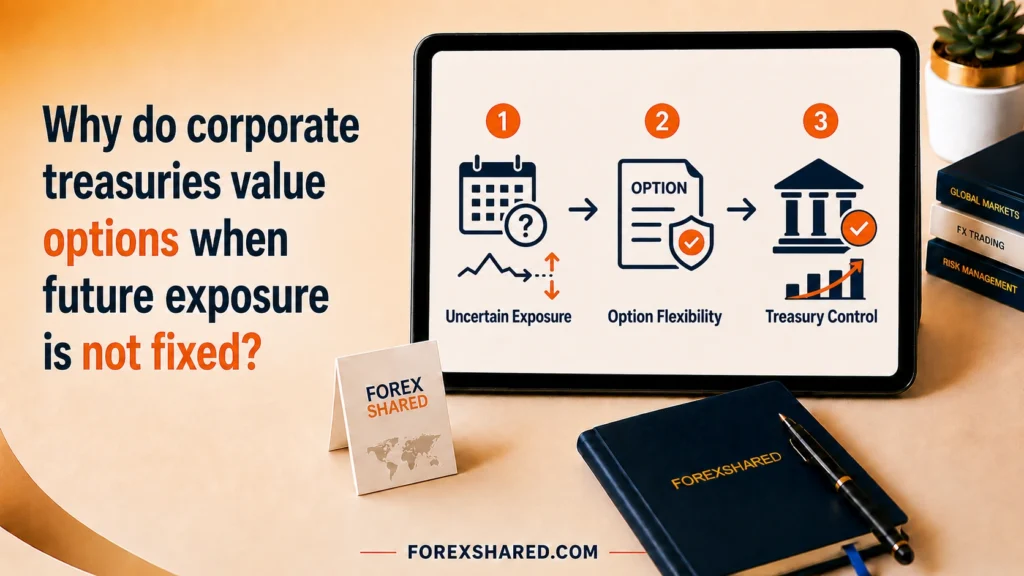
Why Do Corporate Treasuries Value Options When Future Exposure Is Not Fixed? Corporate treasuries value options when future FX exposure is not fixed because an option can protect against adverse exchange-rate movement without requiring the buyer to commit immediately to